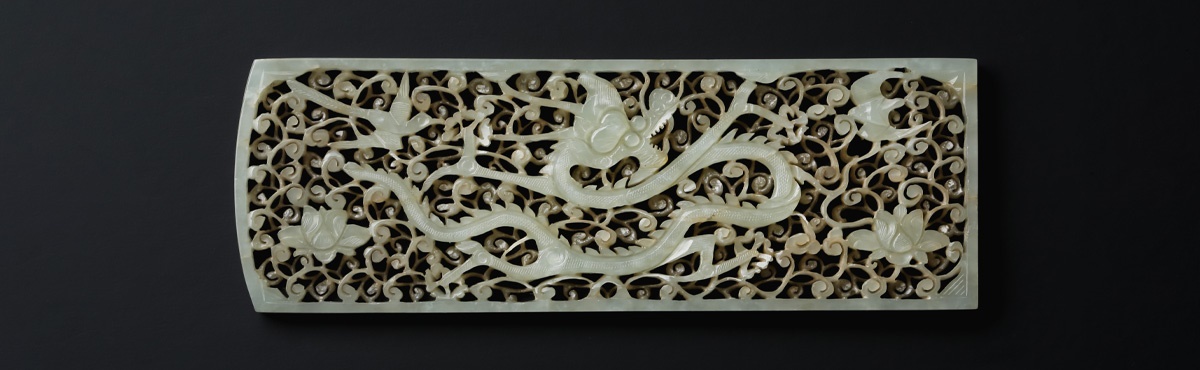
Spanning over 7,000 years, from early Neolithic cultures to Imperial China, jade is one of the most enduring and revered materials in Chinese history. From ritual objects to refined decorative carvings, it has been shaped into an extraordinary variety of forms and colours.
While it may appear straightforward at first glance, the field is remarkably diverse. Variations in material, primarily divided into nephrite and later jadeite, as well as differing styles, symbolism and periods, make learning about jade a deeply rewarding and ongoing journey. When beginning a collection, it is important to identify what resonates most with you. With Chinese jade in particular, this is essential, as the category spans everything from ancient ceremonial objects to finely carved works for the imperial court, scholars and elite patrons.
The story of Chinese jade begins in the Neolithic period, particularly within cultures such as the Hongshan (c. 4700–2900 BCE) and Liangzhu (c. 3300–2300 BCE). These early societies produced ritual objects such as bi discs and cong carvings, often associated with spiritual beliefs and ceremonial practices. These pieces tend to be abstract and archaistic in form, with minimal decoration and a focus on symbolic meaning rather than naturalistic detail.
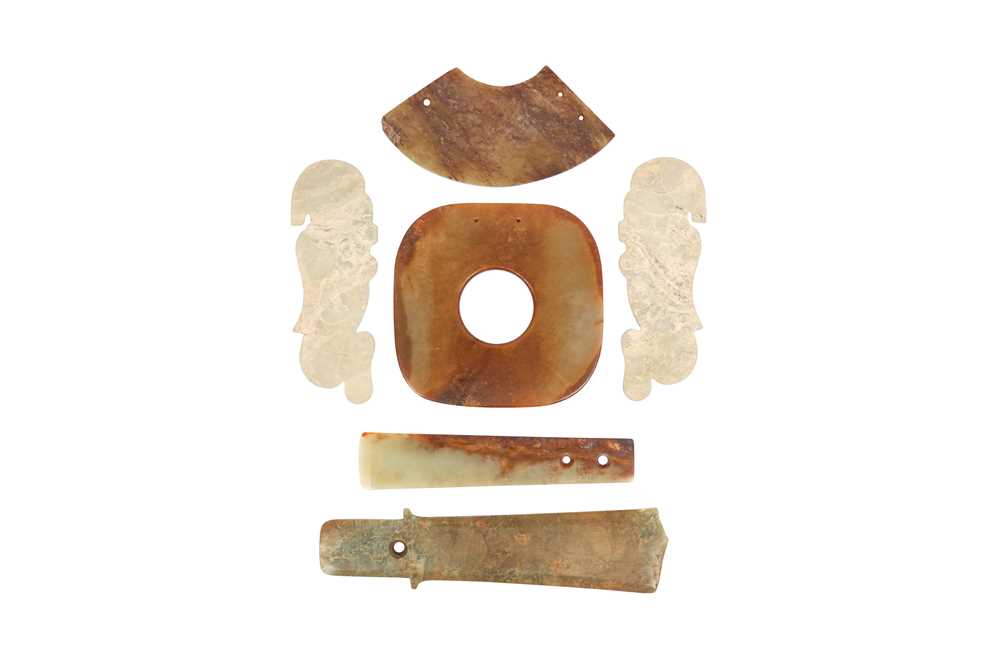
Six Chinese Archaistic Jade Carvings, 20th Century, Sold for £25,200
During the Shang and Zhou dynasties (c. 1600–256 BCE), jade carving became increasingly sophisticated, incorporating stylised animal motifs. By the Han dynasty (206 BCE–220 CE), jade was closely linked with beliefs in immortality, reflected in objects made for both daily life and burial.
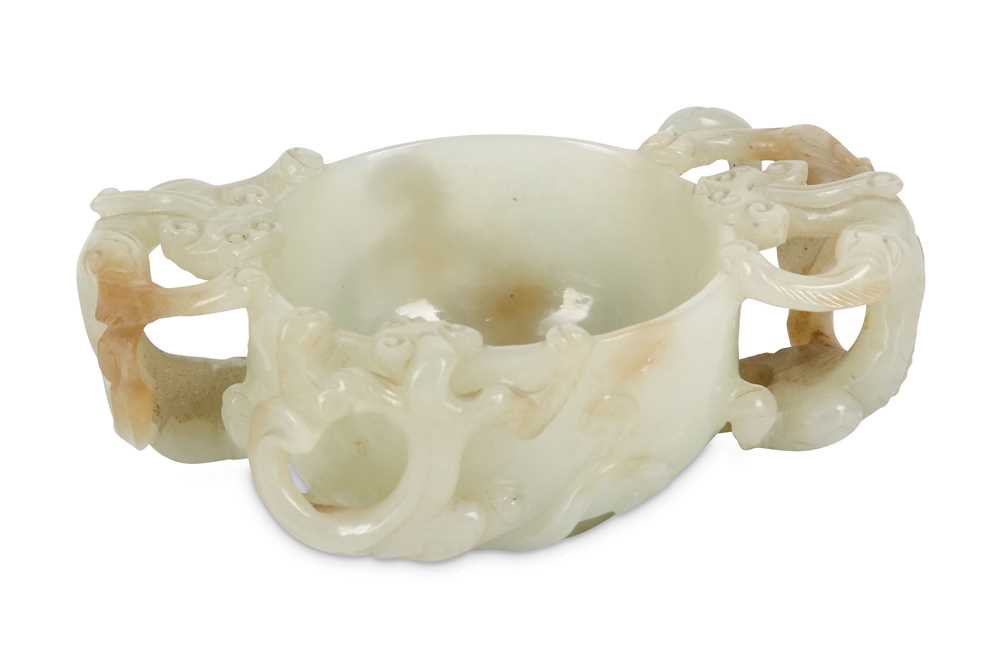
A Chinese Jade Cup with Three Dragon Handles, Qing Dynasty, Sold for £19,000
In later periods, there was a shift towards refinement and artistry. Ming dynasty (1368–1644) jades often display a soft, polished surface and make sensitive use of the natural qualities of the stone. By contrast, Qing dynasty (1644–1911) works are celebrated for their technical precision, often using luminous white jade and demonstrating exceptional carving skill.
One of the most accessible ways to begin collecting jade is to focus on smaller objects such as snuff bottles, pendants and small carvings. These allow collectors to appreciate the precision and artistry of jade carving without the higher cost associated with larger works.
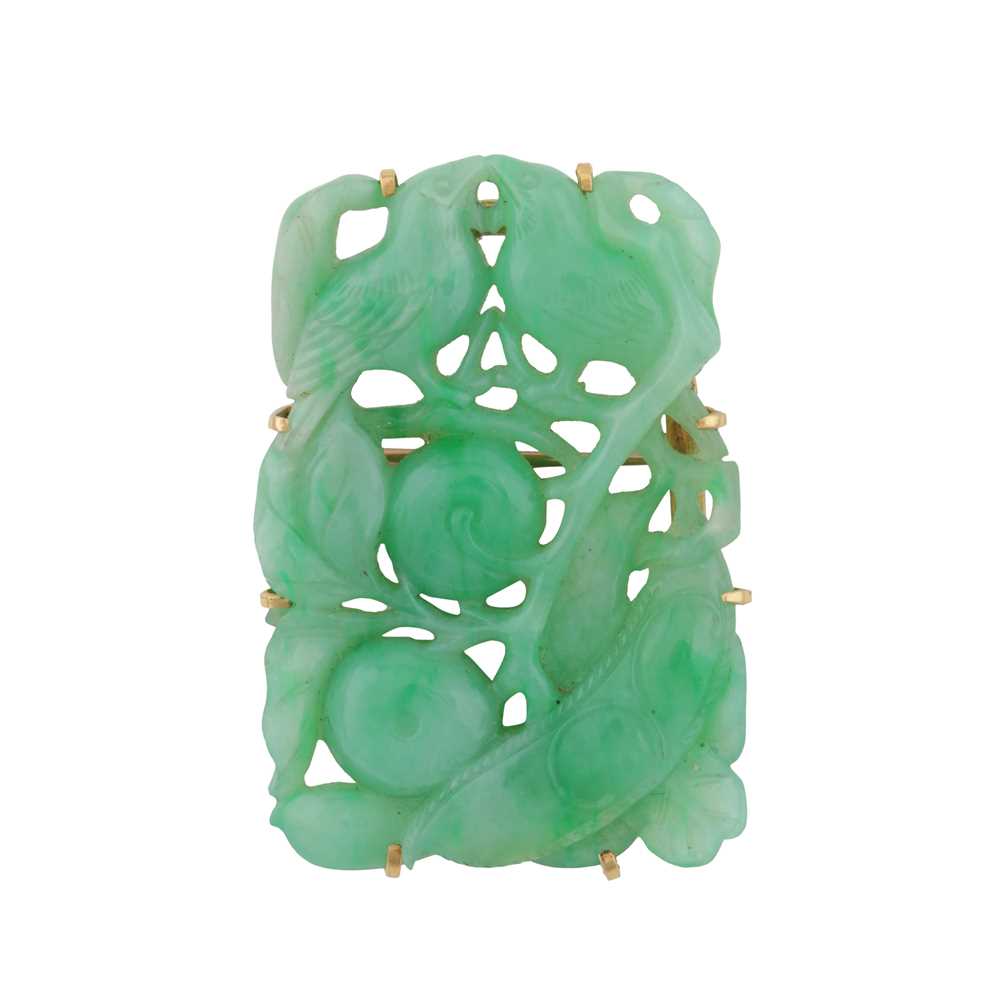
A carved jade plaque brooch, Sold for £756
In these more intimate pieces, the skill of the carver is often especially evident. Fine detailing, the intelligent use of natural inclusions, and balanced proportions all contribute to the overall quality and appeal.
Chinese jade carving reflects broader artistic traditions found across other media such as porcelain, bronze and lacquer. Familiarising yourself with these forms will sharpen your eye and deepen your understanding.
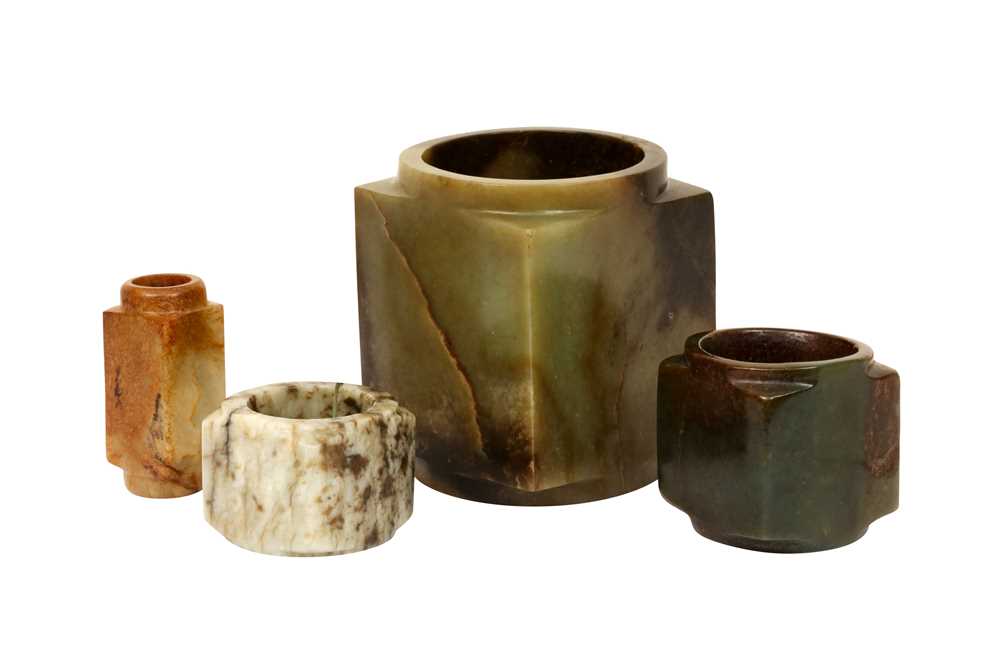
Four Chinese Archaistic Jade Carvings, Cong, 20th Century. Sold for £42,840
For example, a jade censer may echo earlier bronze or ceramic prototypes. Recognising these references helps place jade objects within a wider cultural and historical framework, enriching both their meaning and their appeal.
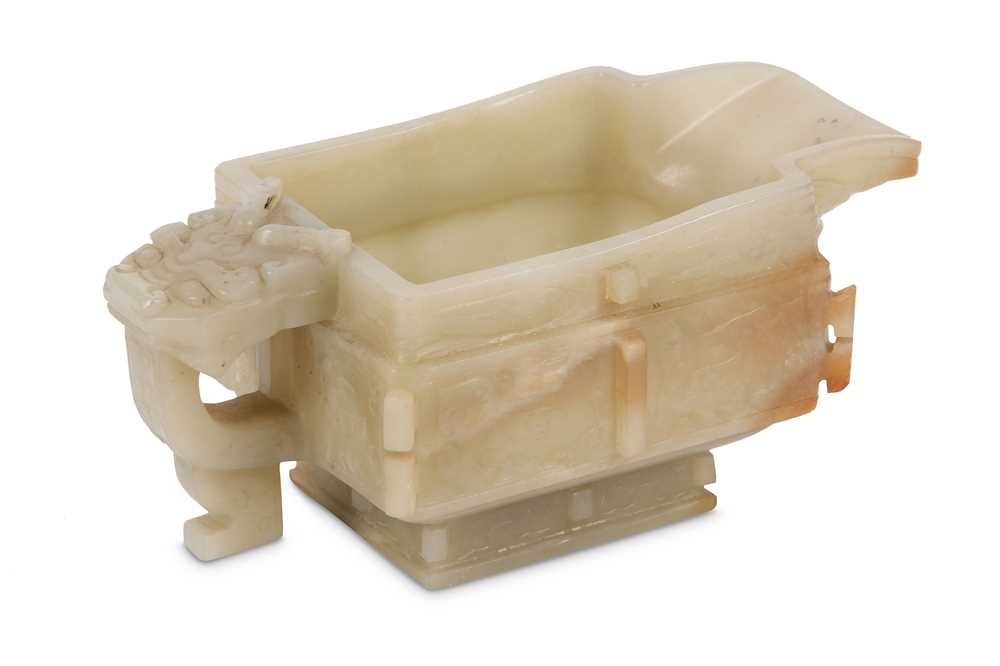
A Chinese Jade Pouring Vessel. Qing Dynasty. Sold for £8,000
Throughout Chinese history, jade carvings have been rich in symbolic meaning. Animals, plants and mythological figures often carry layered associations.
 - 14-04-2026 13-51-40.png)
A Chinese Jade Carving of Guanyin 20th Century. Sold for £85,000
Rams may represent filial piety and prosperity, bats signify happiness, and peaches are linked with longevity. There is also a long tradition of devotional jade carving, with objects imbued with Daoist and Buddhist meaning.
The finest jade carvings demonstrate a deep understanding of the material and a sensitivity to its natural qualities. Skilled artisans worked with the colour, texture and inclusions of the stone, enhancing rather than disguising them.
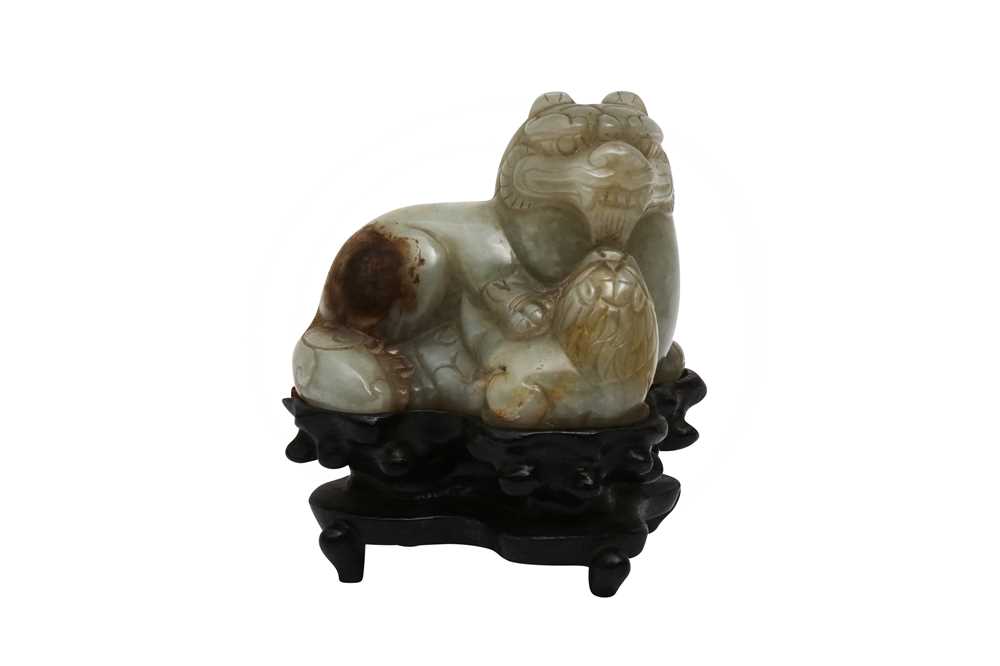
A Chinese Pale Celadon Jade Carving of a Lion, Dog and Calf, Qing Dynasty. Sold for £17,500
When assessing jade, key considerations include:
Interest in Chinese jade remains strong, particularly for high-quality white jade carvings from the 18th century. Earlier jades, especially those from Neolithic cultures, have also seen increasing appreciation due to their historical significance and rarity.
For new collectors, exploring less competitive areas such as Ming dynasty pieces or coloured jade can offer more accessible entry points while still providing depth, beauty and historical interest.
Ultimately, the most important principle in collecting jade, as with any category of Chinese works of art, is personal connection. Whether you are drawn to the quiet abstraction of Neolithic ritual objects or the refined craftsmanship of later carvings, your collection should reflect your own taste and curiosity.
While knowledge of the market and historical context is essential, the true reward lies in living with and appreciating objects that continue to reveal new details over time.
Our specialists provide confidential, no-obligation valuations for Chinese jade and works of art. Whether you are considering selling a single piece or an entire collection, we would be pleased to advise.
asianart@chiswickauctions.co.uk
Or submit your item via our Online Valuation Form