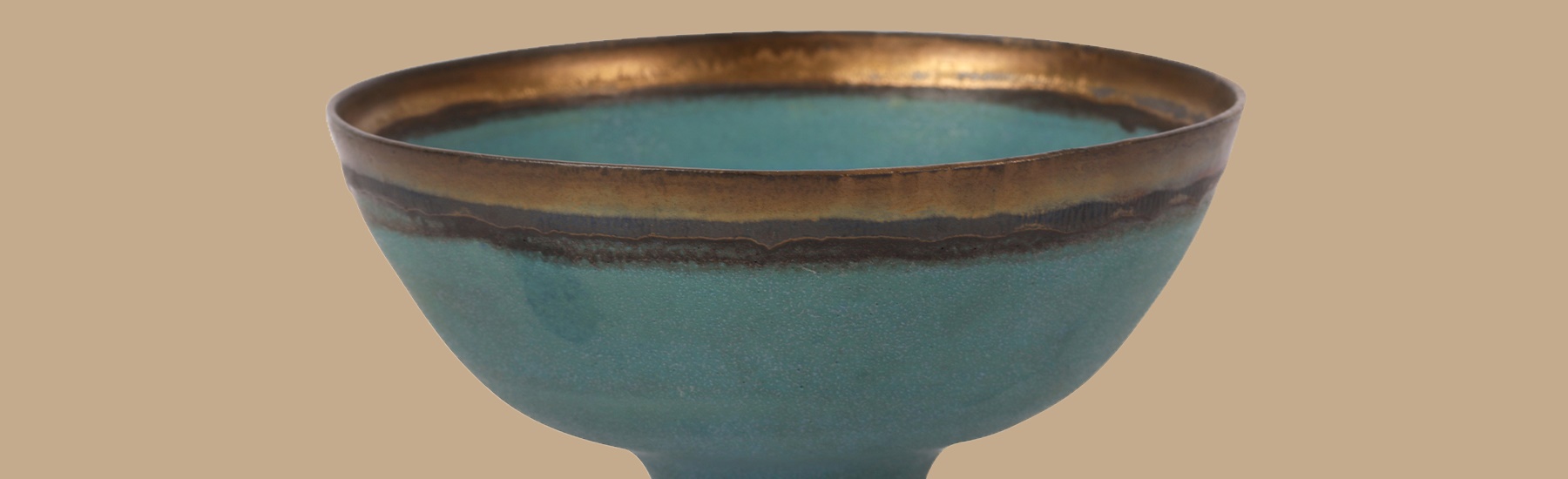
Lucie Rie was born in Vienna in 1902 and enrolled at the Vienna Kunstgewerbeschule in 1922, where she first learned to throw. It was during this formative period that she developed a deep, scientific understanding of glazes. With this expertise, Rie’s works would go on to become truly remarkable, admired for their technical innovation and distinctive aesthetic.
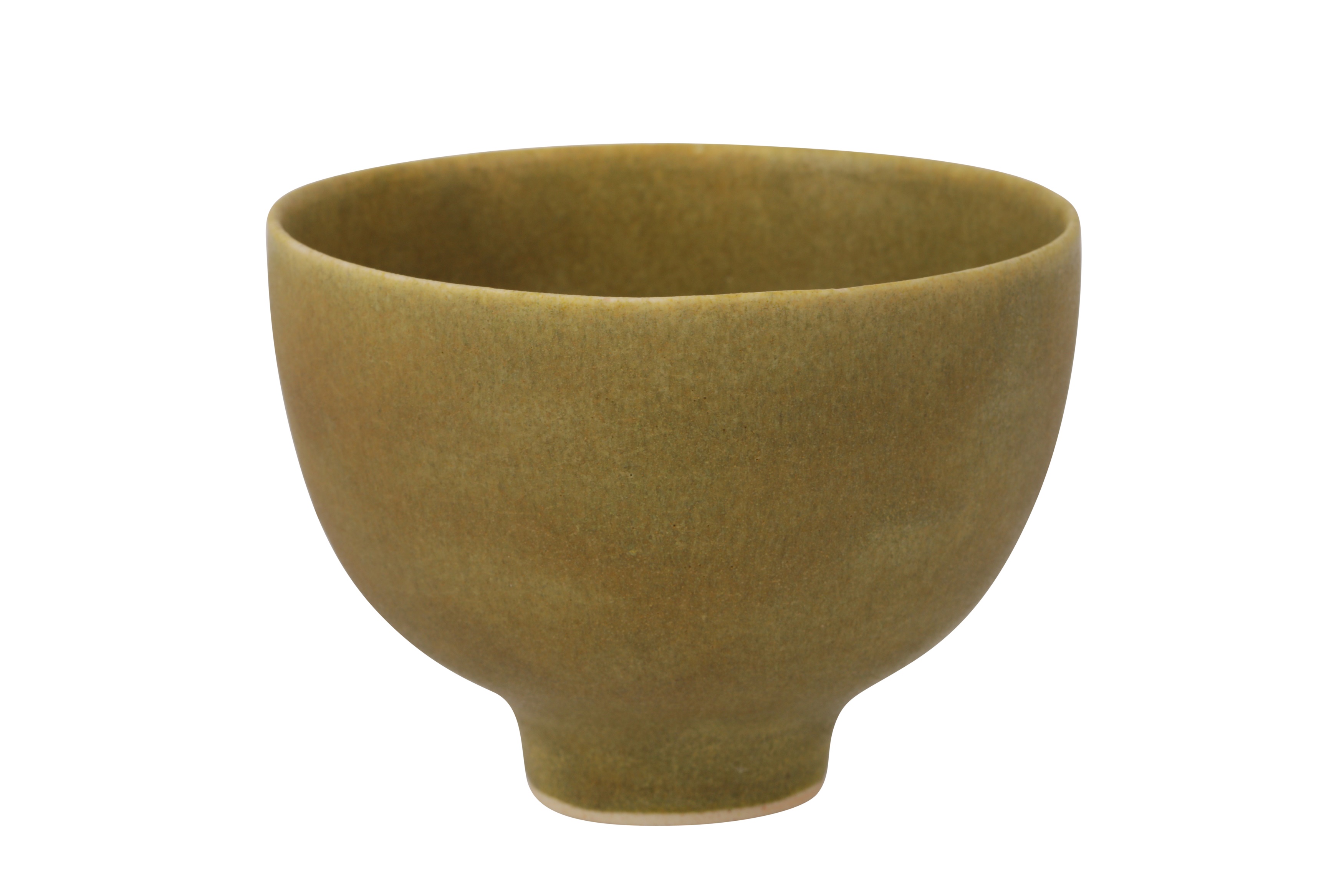
While still in Vienna, Rie began to build a reputation for herself. However, with the rise of Nazi Germany, she and her husband fled to London for safety. Upon arriving in Britain, she encountered a pottery tradition that differed significantly from her own. British studio ceramics at the time leaned heavily on the historic and the Japanese aesthetic, quite unlike the modernism she had embraced on the continent. Though she attempted to adapt to the prevailing style, Rie ultimately remained true to her European roots.
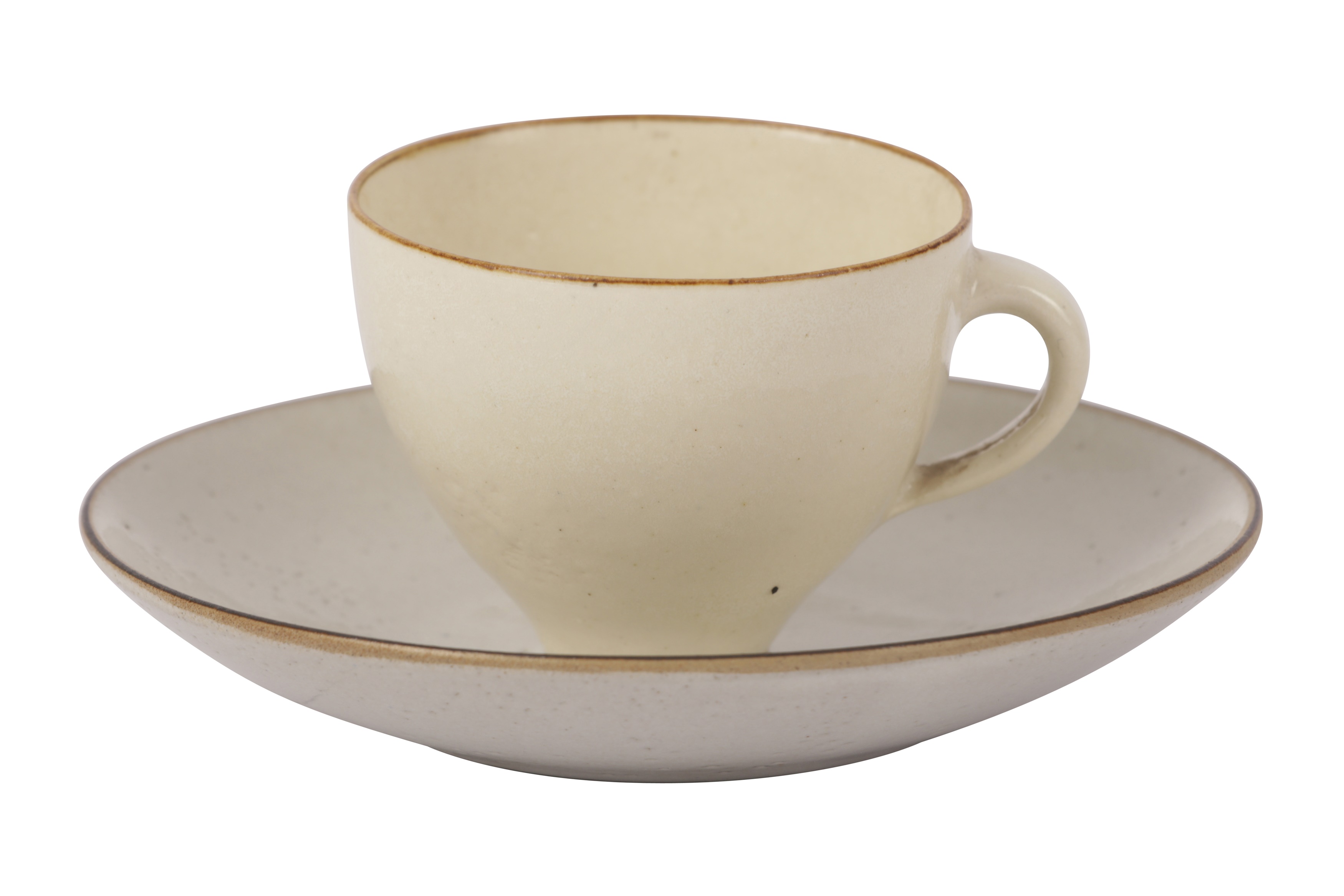
After the war, Rie established a studio in London and took on Hans Coper as an apprentice, a working relationship that would last a lifetime. Together, they created pieces that balanced function with beauty, including refined tablewares that were sold in top department stores in both London and New York. An excellent example from this period is a cup and saucer dated circa 1955 (lot 117).
In the 1960s, Rie’s work evolved again as she experimented with thicker, textured glazes. By the 1970s, her palette expanded to include striking blues and pinks. Unlike many of her contemporaries, Rie fired her ceramics only once, applying the glaze directly to the unfired clay. This technique gave her work its vivid, luminous finish and distinctive texture. Her celebrated bowls, often edged with bronze rims, exemplify her mastery, as seen in lot 119.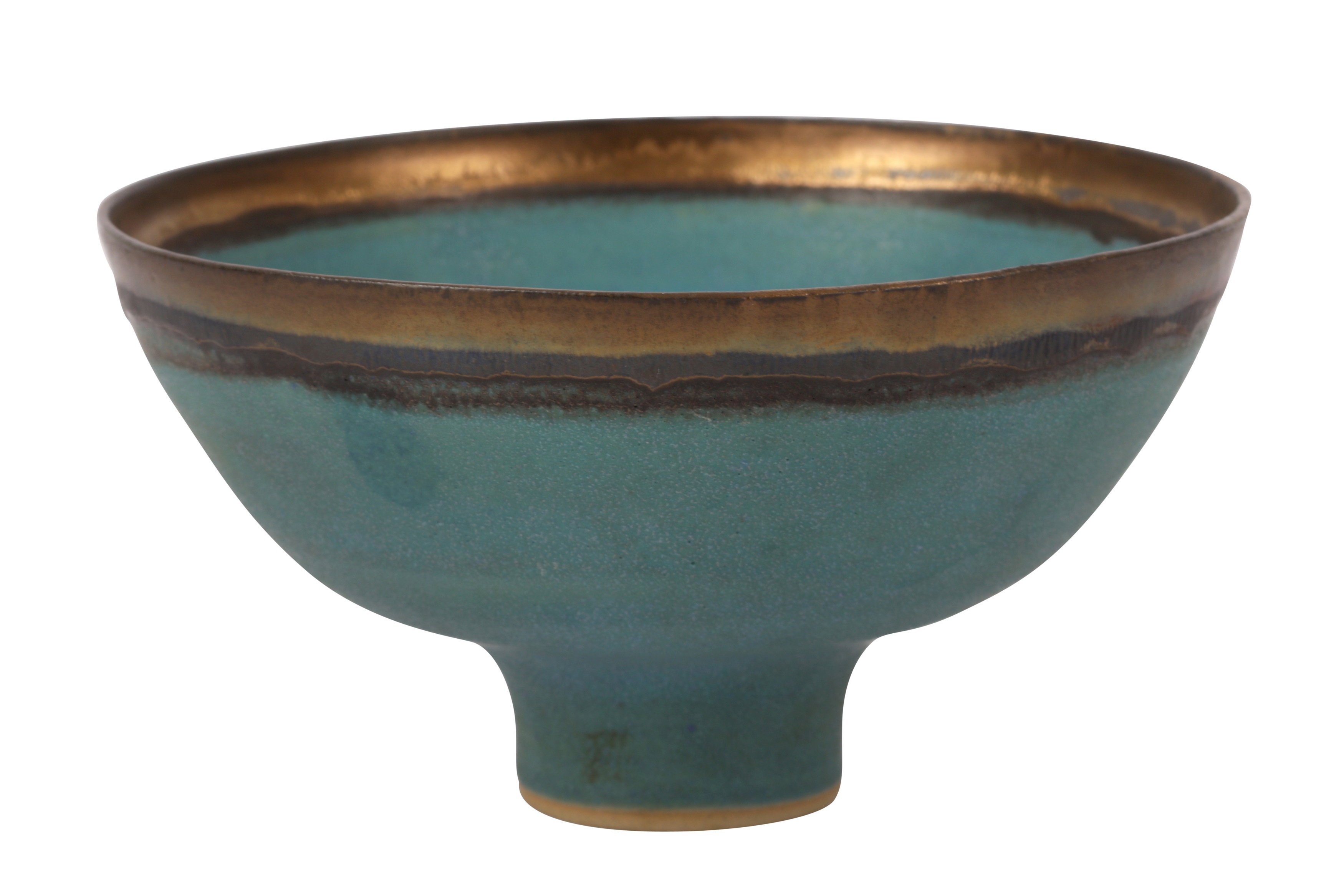
Our Design specialists would be delighted to offer a complimentary valuation of works by Lucie Rie or other leading ceramicists of the 20th century.
Email the team at design@chiswickauctions.co.uk or submit an online valuation to begin